How to Spy on Competitors Ads: 12 Legal Ways to Find, Analyze, and Beat Rival Campaigns
- Author
- PrimeSpy Research Team
- Published
- Jun 22, 2026
- Updated
- Jul 1, 2026

Summary: This guide shows 12 legal and effective ways to find and analyze competitor ads, from Meta and Google libraries to landing pages, retargeting, email funnels, and ad spy tools.
Competitor ads can tell you a lot about a market. They show what brands are willing to pay to say. They show the hooks competitors keep testing, the offers they push when buyers hesitate, the landing pages they trust with paid traffic, and the creative formats they believe are worth repeating.
That does not mean every competitor ad is working. It also does not mean you should copy anything. A live ad is not proof. It is a clue.
If you want to know how to spy on competitors ads the right way, think like a researcher, not a thief. Use public ad libraries. Study patterns over time. Look at the full funnel. Then turn what you learn into your own tests.
This guide walks through 12 legal ways to find competitor ads, what to analyze once you find them, which free and paid ad spy tools are worth knowing, and how to build a simple workflow you can repeat every week.
What Does It Mean to Spy on Competitors Ads?
To spy on competitor ads means to research publicly visible ads and marketing funnels from brands in your market.
You are looking for signals such as:
- Active ads
- Ad copy
- Visual creative
- Video hooks
- Platforms used
- Landing pages
- Offers
- Calls to action
- Messaging patterns
- Campaign duration
- Retargeting angles
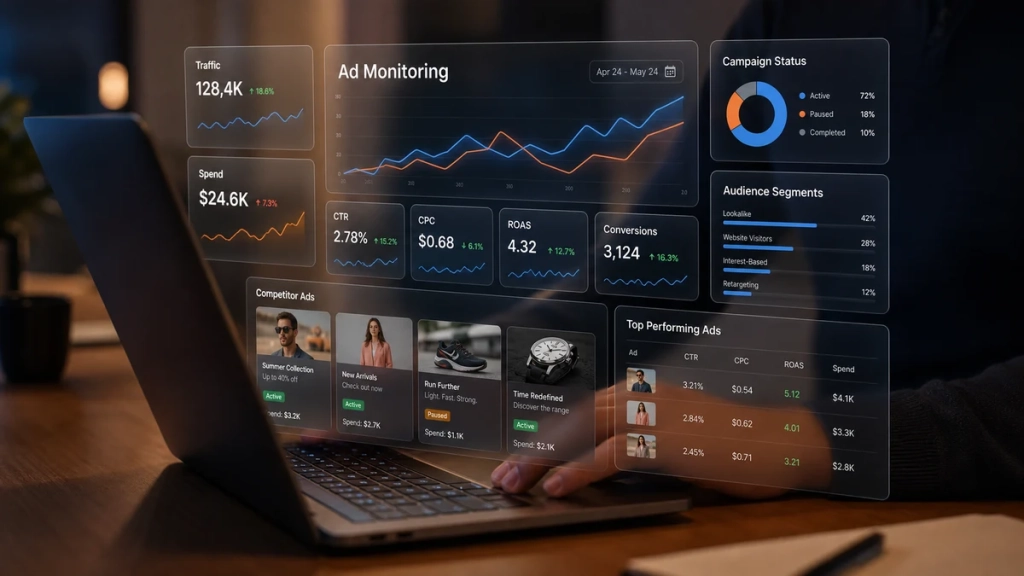
You are not looking for private data. You usually cannot see exact targeting, budget, ROAS, conversion rate, or audience segments unless a platform gives you partial data through your own account, such as Google Ads Auction Insights.
The goal is simple: understand what your market is already seeing, then build smarter campaigns from that research.
Is It Legal to Spy on Competitor Ads?
Yes, competitor ad research is legal when you use public and compliant sources.
Legal ways to research competitor ads include:
| Method | What you can learn |
| Meta Ad Library | Facebook and Instagram ads from a brand |
| Google Ads Transparency Center | Google, YouTube, Display, and Shopping ads |
| TikTok Creative Center | TikTok ad formats, hooks, and trends |
| Manual Google search | Search ad copy, offers, and landing pages |
| Competitor websites | Product pages, pricing pages, funnels |
| Public social feeds | Organic content that may become paid creative |
| Ad spy tools | Historical ads, filters, swipe files, and alerts |
| Google Ads Auction Insights | Real auction competitors for your own campaigns |
Avoid anything that crosses into private access or deception. Do not hack accounts, scrape private data, impersonate customers in a way that violates terms, or copy ads directly.
Good competitor ad analysis is clean, useful, and boringly legal. That is exactly how it should be.
Competitor Ads are Signals, Not Answers
One of the biggest mistakes marketers make is assuming a competitor ad is profitable because it is live.
That is not how paid media works. A competitor might be testing a bad idea. They might have poor tracking. They might have a much higher tolerance for CAC than you do. They might be running brand awareness ads that are not supposed to convert right away.
Instead of treating one ad as proof, look for stronger signals:
- The ad has been running for a long time.
- The same hook appears in several variations.
- Multiple competitors use similar positioning.
- A competitor expands the same angle across Meta, Google, TikTok, and YouTube.
- The landing page repeats the exact promise from the ad.
- The offer appears in retargeting, email, and paid search.
A single ad is a data point. Repeated patterns are where the useful ideas live.
Why Competitor Ad Research Matters?
Competitor ad research helps you make better campaign decisions before you spend more money.
It can help you:
- Find messaging angles already being tested in your category.
- Discover which offers competitors promote most often.
- See which products or services they prioritize.
- Understand how they handle objections.
- Study landing pages built for paid traffic.
- Spot seasonal campaigns and launch pushes.
- Find gaps competitors ignore.
- Create sharper ad testing hypotheses.
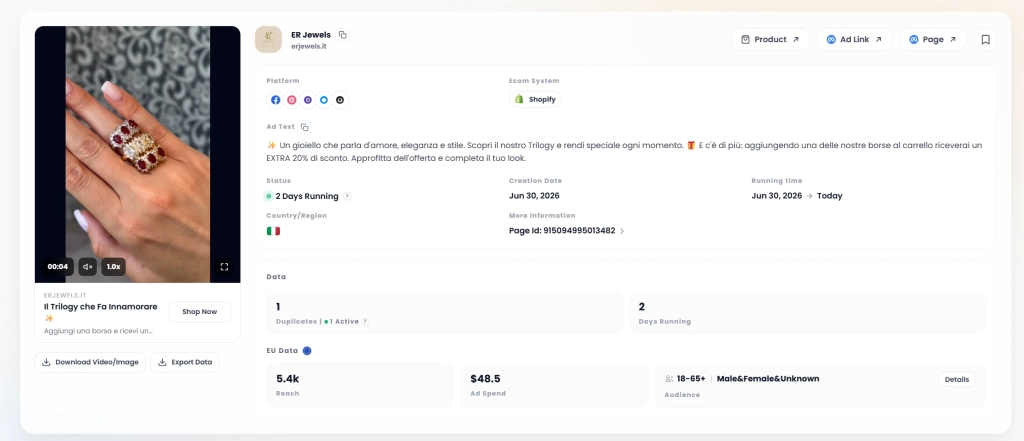
The best part is that you do not need a huge tech stack to start. You can learn a lot with free tools like Meta Ad Library, Google Ads Transparency Center, TikTok Creative Center, and a spreadsheet.
3 Types of Competitor Ad Spying
Most people only look at creative. That is useful, but it is not enough. Strong competitor ad research usually covers three layers: creative, product, and funnel.
Creative Spying
Creative spying focuses on how competitors package the message.
Look at:
- Hooks
- Visual style
- Video structure
- First three seconds
- Copy length
- CTA language
- Design patterns
- Proof elements
- UGC versus polished creative
For example, if three competitors keep using founder led videos, that may tell you buyers want a more personal explanation. If everyone uses polished product shots and nobody uses customer clips, UGC may be worth testing.
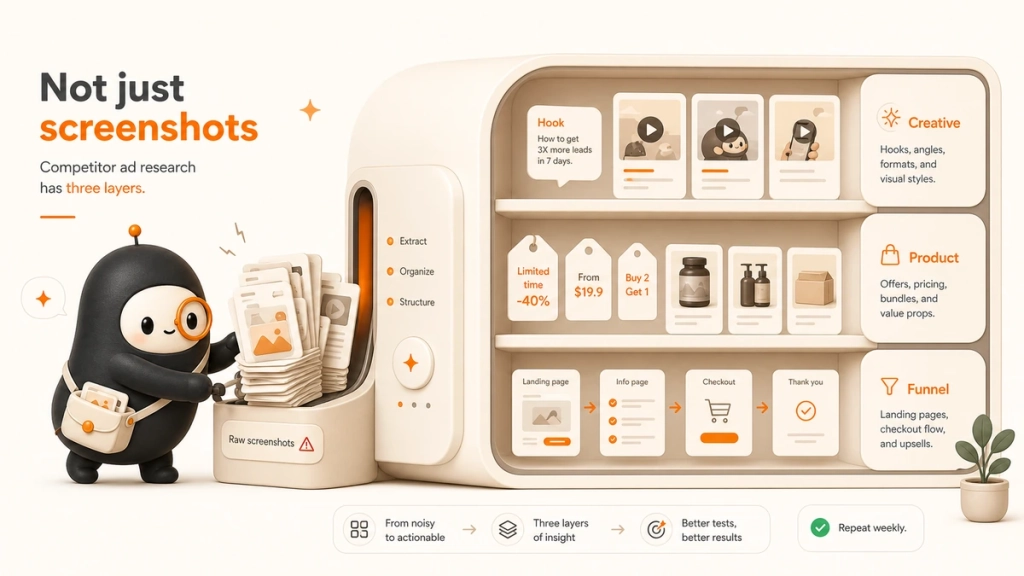
Product Spying
Product spying looks at what competitors choose to promote.
Pay attention to:
- Hero products
- Bundles
- Free trials
- Free audits
- Demo offers
- Seasonal discounts
- Lead magnets
- Product launches
- Upsells and cross sells
If a competitor has 20 products but keeps advertising one bundle, that is a useful signal. The advertised product may have better margins, better conversion rates, or stronger market demand.
Funnel Spying
Funnel spying follows the click.
Ask:
- Where does the ad send traffic?
- Is it a homepage, landing page, product page, quiz, webinar, or demo page?
- Does the landing page match the ad?
- How much proof appears before the CTA?
- Does the form ask for too much?
- What happens after signup, checkout, or abandonment?
- Do retargeting ads answer different objections?
This is where many teams miss the money. The ad gets attention, but the funnel does the selling.
How to Choose Which Competitors to Track?
Do not track every brand you can find. You will drown in screenshots. Start with 5 to 10 competitors:
| Competitor type | Who to include |
| Direct competitors | Brands selling a similar product to the same audience |
| Category leaders | Larger brands shaping buyer expectations |
| Fast growing challengers | Newer brands showing up often in ads or search |
| Search competitors | Brands bidding on or ranking for your target keywords |
| Social competitors | Brands your audience sees often on paid social |
| Indirect competitors | Brands solving the same problem in a different way |
A good starter list might include three direct competitors, two category leaders, two fast growing challengers, and one or two indirect competitors.
12 Legal Ways to Spy on Competitors Ads
1. Use Meta Ad Library
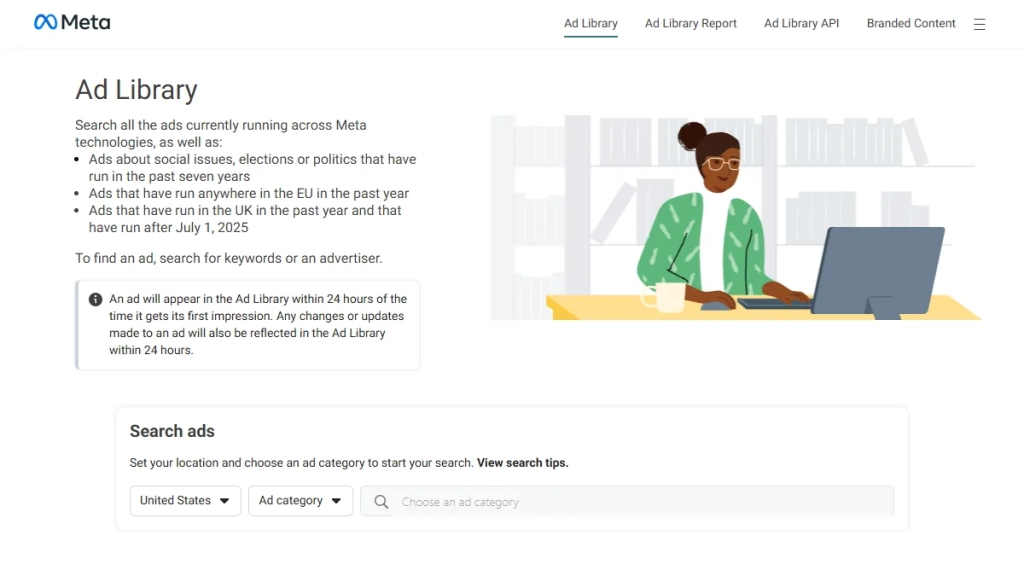
Meta Ad Library is usually the first place to go if you want to spy on competitor Facebook ads or Instagram ads.
Search for a competitor’s brand name, open their advertiser page, and review active ads.
Look for:
- How many ads are active
- Which ads run on Facebook versus Instagram
- Whether they use video, image, carousel, or Reels
- Repeated hooks
- Repeated offers
- Landing page URLs
- Ad variations
- Long running campaigns
Meta Ad Library is free, easy to use, and surprisingly revealing. Its biggest limitation is that it does not tell you exact performance.
2. Use Google Ads Transparency Center
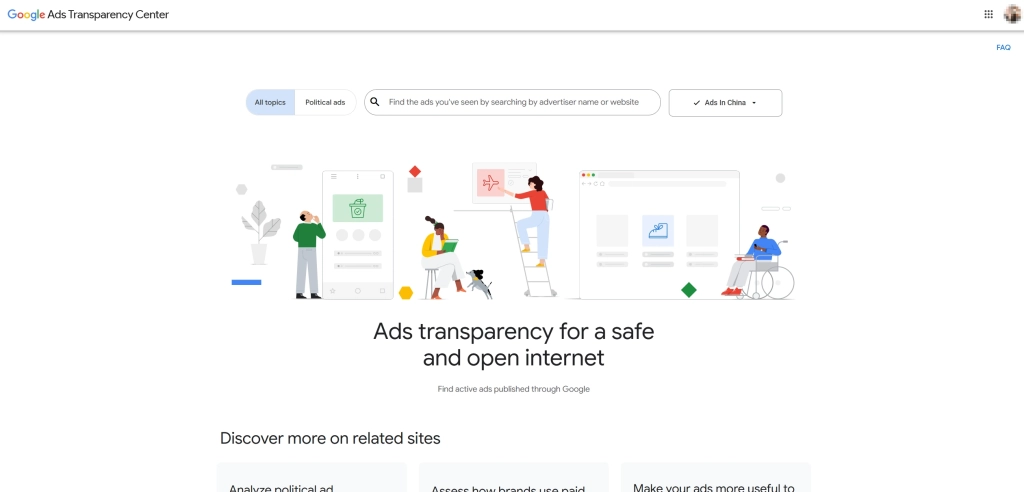
Google Ads Transparency Center helps you see ads from verified advertisers across Google surfaces.
Use it to research:
- Google Search ads
- YouTube ads
- Display ads
- Shopping ads
When you want to spy on competitors Google ads, start by searching the advertiser name or domain. Review their active creatives and note which offers or messages appear repeatedly.
For search ads, pay close attention to headline structure. Competitors often reveal their strongest claims in a very small space.
3. Use TikTok Creative Center
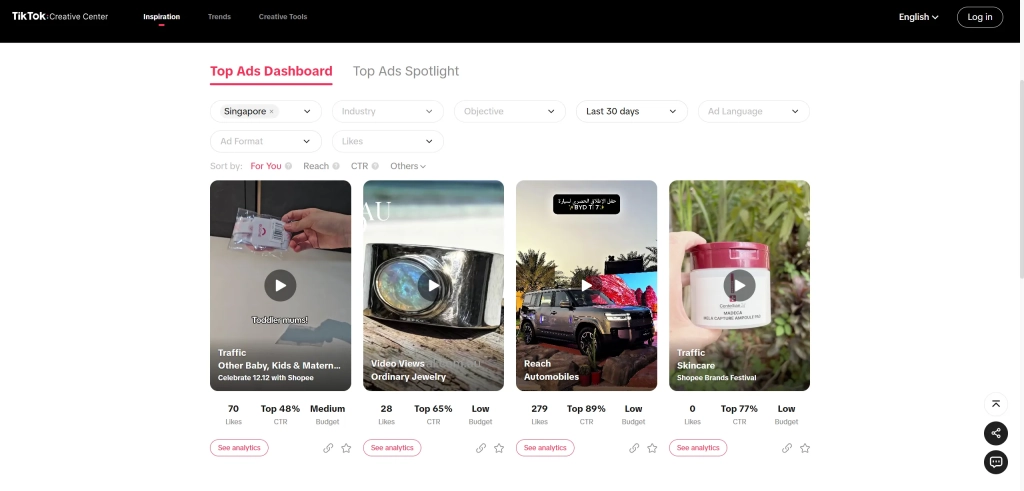
TikTok Creative Center is useful if your competitors run short form video ads or sell to an audience that spends time on TikTok.
Study:
- Opening hooks
- Creator style scripts
- Product demonstrations
- Editing pace
- Native looking UGC
- Comment style
- Sound and trend usage
TikTok ads often look less like ads than Meta or YouTube ads. That is the point. If you sell ecommerce, apps, consumer products, or creator led offers, TikTok Creative Center can give you ideas that feel closer to culture than a standard ad library.
4. Use Dedicated Ad Spy Tools
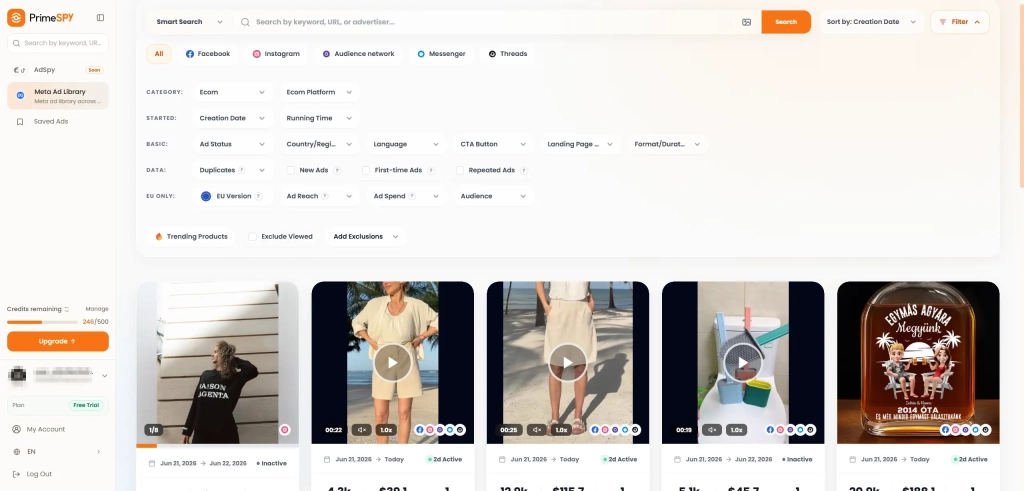
Dedicated ad spy tools are built for competitive ad research. They save time when you want to move faster than checking each platform one by one.
PrimeSpy is one option to consider if you want a centralized way to research competitor ads across major social ad platforms, spot creative trends, and organize ideas for your next tests. It can sit alongside free sources like Meta Ad Library and TikTok Creative Center, especially when you want a cleaner workflow for finding, saving, and comparing ads.
Other examples include:
- BigSpy
- PowerAdSpy
- AdPlexity
- Adbeat
- WhatRunsWhere
- Foreplay
- Panoramata
Dedicated ad spy tools can help with:
- Historical ad research
- Platform filters
- Creative swipe files
- Landing page discovery
- Native ads
- Display ads
- Ecommerce ads
- Competitor alerts
- Team collaboration
The best ad spy tools are not just databases. They help you organize patterns so your team can act on them.
5. Search Google for Your Target Keywords
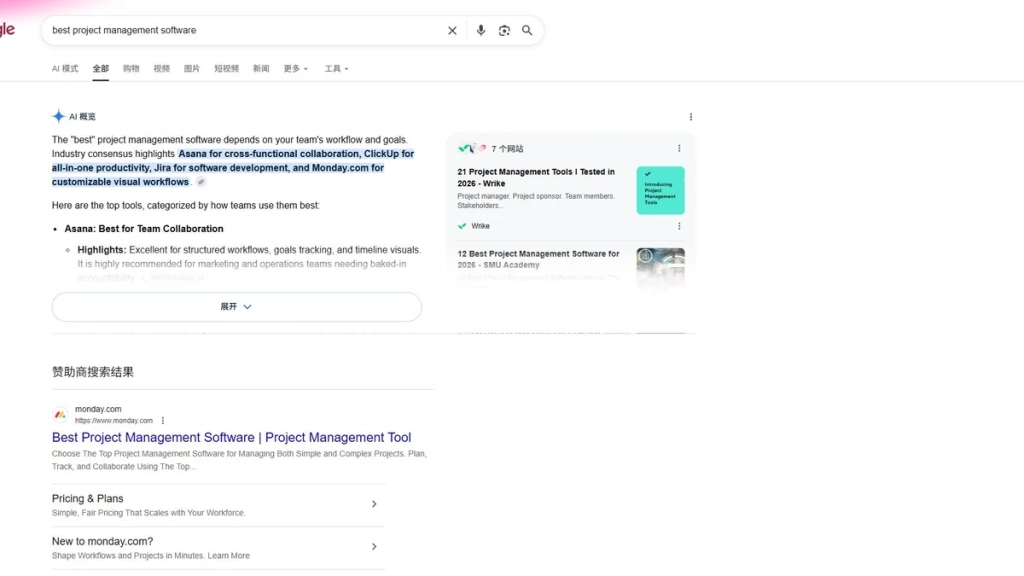
Manual search still works.
Search your highest intent keywords and record which competitors appear in paid results. Try terms like:
- “best [category] software”
- “[product] pricing”
- “[competitor] alternative”
- “[problem] solution”
- “buy [product type]”
- “[service] near me”
If possible, use depersonalized search settings or an incognito window. Results will still vary by location, device, and auction conditions, but manual searching gives you a real view of what buyers may see.
Capture:
- Ad headlines
- Descriptions
- Sitelinks
- Offers
- CTA language
- Landing pages
This is one of the simplest ways to find competitor ads when you care about paid search.
6. Use Google Ads Auction Insights
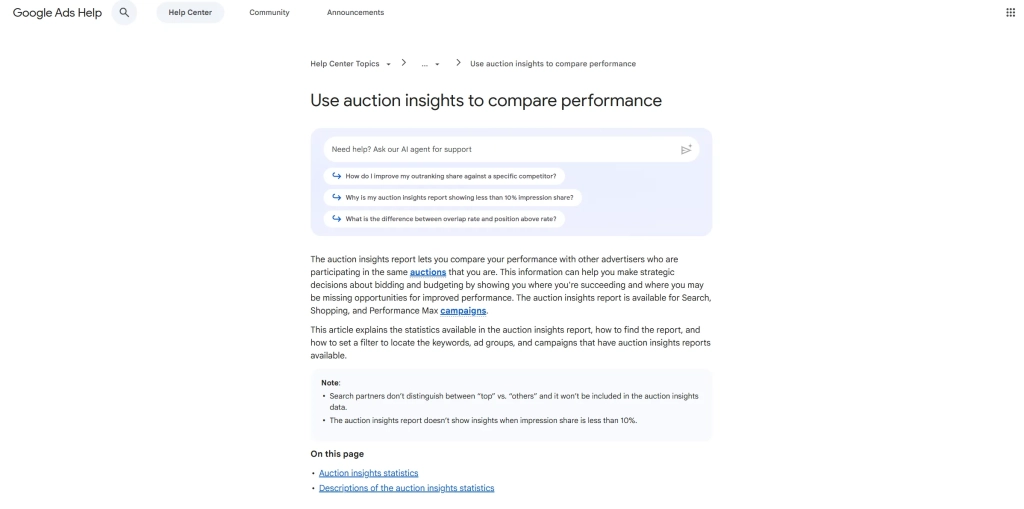
If you run Google Ads, Auction Insights can show you which advertisers compete with you in the same auctions.
This is different from a public ad library. It uses your account’s auction data.
Review metrics like:
- Impression share
- Overlap rate
- Position above rate
- Outranking share
- Top of page rate
- Absolute top of page rate
Auction Insights can reveal competitors you did not expect. Sometimes your true paid search competitors are not the brands your sales team talks about. They are the brands bidding against you every day.
7. Trigger Competitor Retargeting Ads
Competitor retargeting ads can show how a brand handles hesitation.
Visit competitor websites. Browse product pages, pricing pages, demo pages, and checkout flows where appropriate. Over the next few days, watch for retargeting ads across social platforms and display networks.
Look for:
- Discounts
- Free trial reminders
- Demo nudges
- Customer proof
- Objection handling
- Urgency
- Abandoned cart messaging
Retargeting ads often reveal what competitors think buyers need to hear after the first visit.
8. Analyze Competitor Landing Pages
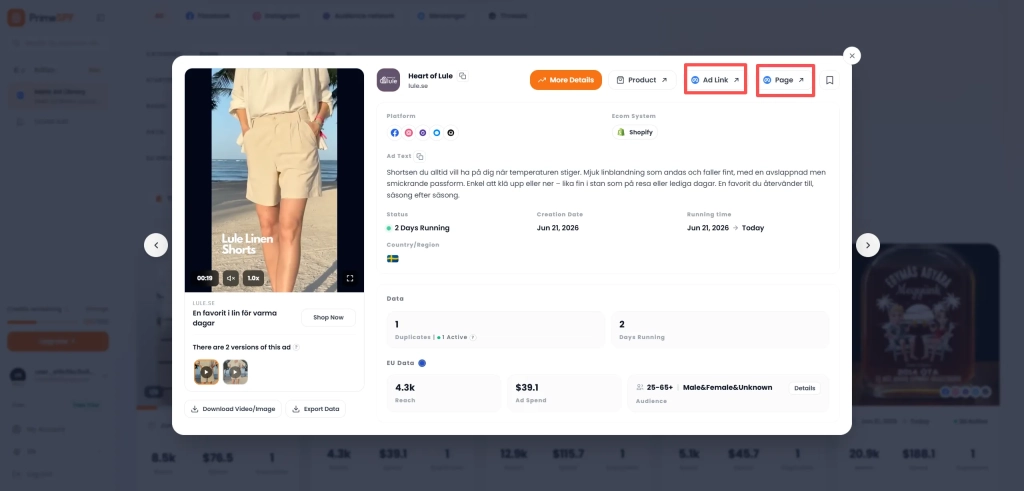
Never stop at the ad. Click through and study the page. A weak ad with a strong landing page may beat a clever ad that sends people to a messy homepage.
Review:
- Hero headline
- Subheadline
- CTA
- Offer clarity
- Social proof
- Page structure
- Pricing
- Form length
- FAQ
- Demo or checkout flow
Ask one blunt question: does the page continue the promise from the ad?
If the ad says “cut reporting time in half” but the landing page opens with generic product copy, there is a message match problem.
9. Study Competitor Social Feeds
Paid creative often starts as organic content.
Review competitor social feeds and look for posts with unusual engagement. Check comments, saves, shares, and repeated audience questions.
Look for:
- Topics that get people talking
- Customer objections in comments
- Product education posts
- Founder or creator led content
- Before and after stories
- Comparison posts
- Posts that later appear as ads
Organic feeds are noisy, but they can show what a brand believes its audience cares about.
10. Use SEO and PPC Tools
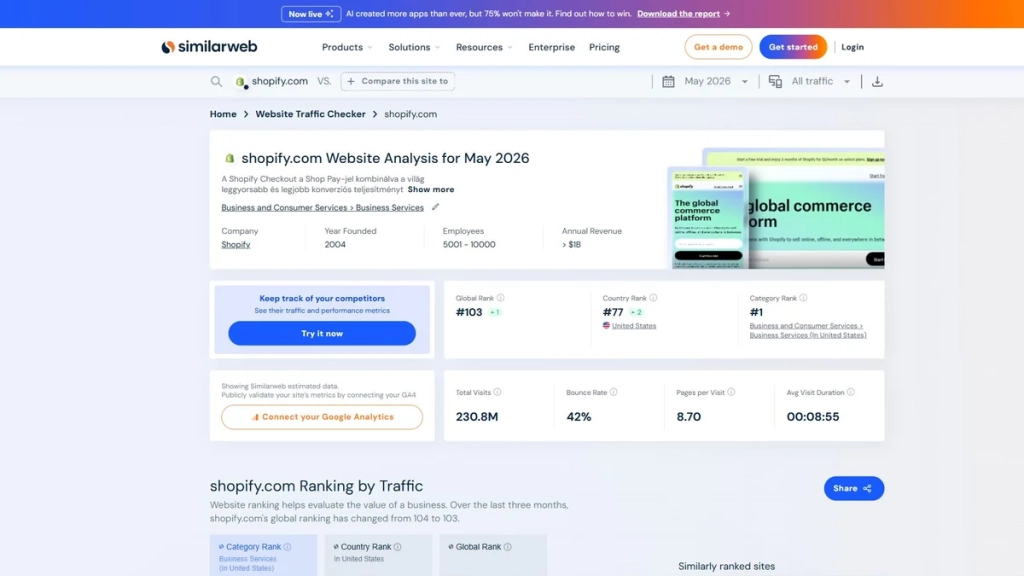
SEO and PPC tools can help you go beyond visible ads.
Useful tools include:
- Semrush
- Ahrefs
- SpyFu
- Similarweb
Use them to research:
- Paid keywords
- Ad copy history
- Keyword overlap
- Search competitors
- Top landing pages
- Estimated traffic
- CPC ranges
These tools are especially useful when you want to connect competitor ad analysis with keyword strategy.
11. Subscribe to Competitor Email and SMS Funnels
Ads are only one part of the buyer journey.
Join competitor newsletters. Start a trial if it makes sense. Abandon a cart if you are researching ecommerce. Watch what happens next.
Track:
- Welcome emails
- Promo cadence
- Discount timing
- Trial education
- Cart recovery
- SMS messages
- Win back campaigns
- Product announcements
Email and SMS often carry the argument that did not fit in the ad.
12. Analyze YouTube and Video Ads
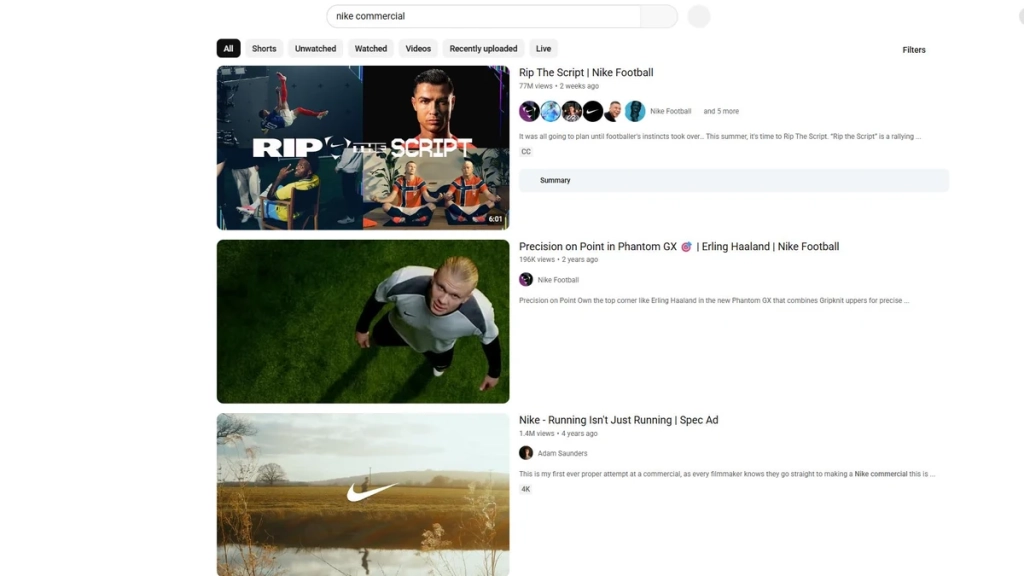
Video ads deserve their own review because they reveal pacing, proof, and storytelling.
Use Google Ads Transparency Center, YouTube search, and competitor channels to inspect video strategy.
Look at:
- First five seconds
- Script structure
- Demo style
- Founder or customer presence
- Testimonials
- CTA placement
- Video length
- Repeated intros
If a competitor keeps running several versions of the same video hook, save it. You do not need to copy the script. You need to understand the angle.
What to Look for in Every Competitor Ad?
Use the same questions every time you review an ad. Consistency makes the research more useful.
| Question | Why it matters |
| Is the ad active? | Active ads show current messaging |
| How long has it been running? | Longevity can suggest the ad is worth watching |
| Are there multiple variations? | Variations suggest testing around a theme |
| What is the hook? | The hook reveals the first persuasion angle |
| What pain point does it mention? | Pain points show how competitors frame demand |
| What offer does it make? | Offers affect conversion more than most copy tweaks |
| What proof does it use? | Proof shows what competitors think buyers trust |
| What CTA does it use? | CTA tells you the funnel stage |
| Where does the click go? | Landing pages reveal the real sales argument |
How to Analyze Competitor Ads?
Once you have saved a competitor ad, break it into following parts.
Creative Format
Identify the format first:
- Static image
- UGC video
- Founder video
- Product demo
- Carousel
- Comparison ad
- Testimonial ad
- Before and after ad
Format matters because it shapes how the message feels. A founder video can build trust. A UGC clip can feel native. A comparison ad can work well for high intent audiences.
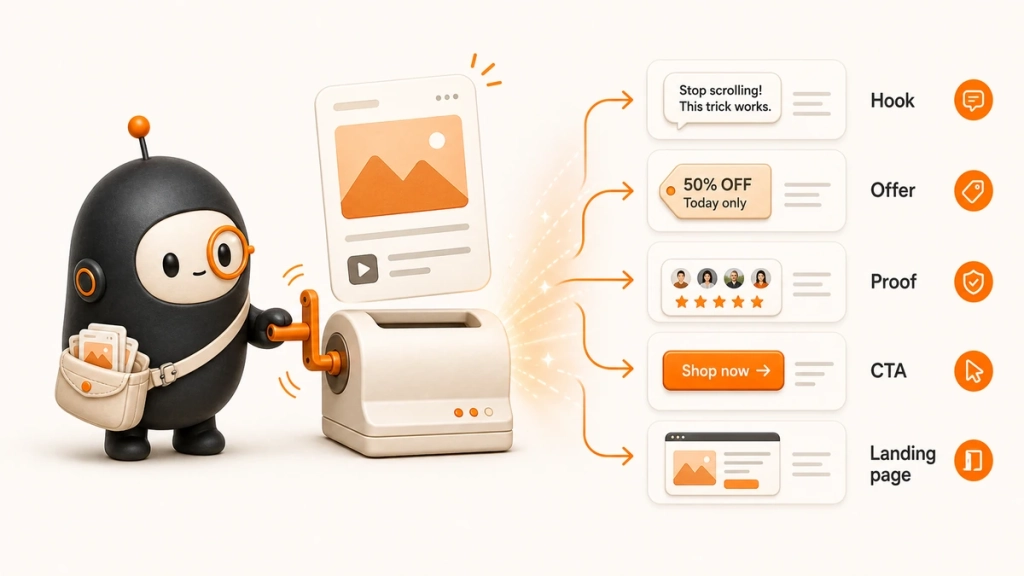
Hook
The hook is the first idea the ad uses to earn attention.
Common hooks include:
- Pain point hook
- Curiosity hook
- Outcome hook
- Contrarian hook
- Social proof hook
- Urgency hook
- Problem agitation hook
Write the hook down in plain English. For example: “Stop wasting time on manual reports” is a pain point hook. “Most teams track the wrong CAC” is a contrarian hook.
Offer
The offer is what the user gets next.
Examples:
- Free trial
- Demo
- Discount
- Bundle
- Free audit
- Lead magnet
- Consultation
- Quiz
- Webinar
A mediocre ad with a strong offer can beat a beautiful ad with a vague next step.
Messaging Angle
The messaging angle is the larger promise behind the ad.
Common angles include:
- Save time
- Reduce cost
- Increase revenue
- Avoid risk
- Improve performance
- Replace manual work
- Beat an existing alternative
- Simplify a complex process
If several competitors keep using the same angle, ask why. It may be the language buyers already understand.
Proof
Proof reduces doubt.
Look for:
- Customer logos
- Ratings
- Case studies
- Testimonials
- Usage numbers
- Before and after claims
- Expert endorsements
Do not just note that proof exists. Note where it appears. Proof in the first screen of a landing page plays a different role than proof buried near the footer.
CTA
The CTA tells you what action the competitor wants.
Examples:
- Book a demo
- Start free trial
- Shop now
- Get quote
- Download guide
- Compare plans
- Take quiz
- Claim offer
CTA choice often reveals funnel stage. “Download guide” is softer than “Buy now.” “Book a demo” suggests a sales led motion. “Take quiz” suggests qualification or personalization.
Landing Page
The landing page is where the ad either pays off or falls apart.
Check:
- Does the page repeat the ad promise?
- Is the offer easy to understand?
- Is the CTA visible?
- Does the page include proof?
- Does it answer obvious objections?
- Is the form reasonable?
- Is the page built for the right funnel stage?
Competitor landing page analysis is one of the most useful parts of ad research because it shows how the brand tries to turn attention into action.
Competitor Ad Swipe File Template
You do not need a complicated system. Start with a spreadsheet.
| Field | What to record |
| Competitor | Brand name |
| Platform | Meta, Google, TikTok, LinkedIn, YouTube |
| Ad URL or screenshot | Link or saved creative |
| Date found | When you discovered it |
| Active status | Active or inactive |
| First seen | When the ad first appeared, if available |
| Last seen | When the ad was last active, if available |
| Creative format | Video, image, carousel, search ad |
| Hook | First line or opening angle |
| Offer | Trial, demo, discount, lead magnet |
| CTA | Button or action requested |
| Landing page URL | Destination page |
| Funnel stage | Awareness, consideration, conversion, retargeting |
| Proof used | Logo, testimonial, rating, case study |
| Repetition signal | One off, repeated, multiple variants, cross platform |
| Notes | What stands out |
| Test idea | How you might adapt the insight |
The final column is the most important. A swipe file that does not produce test ideas is just a folder full of screenshots.
How to Choose an Ad Spy Tool?
Free tools are enough for many teams. Paid tools become useful when you need speed, history, filters, or monitoring.
Compare ad spy tools using these criteria:
| Feature | Why it matters |
| Platform coverage | You need the platforms your competitors use |
| Active ads | Shows current campaigns |
| Historical ads | Helps you spot long running patterns |
| Advanced filters | Saves time when researching many ads |
| Landing page access | Connects creative to funnel strategy |
| Engagement metrics | Gives directional creative signals |
| Spend or activity estimates | Helps prioritize what to inspect |
| Competitor alerts | Keeps research from becoming a manual chore |
| Trend detection | Helps find formats before they saturate |
| Swipe file organization | Makes findings usable by the team |
| Pricing | The tool has to match your budget |
When Free Ad Spy Tools are Enough
Free tools are probably enough if:
- You are doing early research.
- You only track a few competitors.
- You run ads on one or two platforms.
- You do not need historical data.
- You do not need spend estimates.
When Paid Ad Spy Tools are Worth It
Paid tools make more sense if:
- You manage a meaningful ad budget.
- You track many competitors.
- You run campaigns across several platforms.
- You need historical ad data.
- You work at an agency or growth team.
- You need alerts and weekly monitoring.
Best Tools by Platform
| Platform or use case | Tools to consider |
| Facebook and Instagram ads | Meta Ad Library, PrimeSpy, BigSpy, Foreplay, Panoramata |
| Google Ads | Google Ads Transparency Center, Auction Insights, Semrush, SpyFu |
| TikTok ads | TikTok Creative Center, PrimeSpy, BigSpy, PiPiADS |
| Display and native ads | Adbeat, AdPlexity, WhatRunsWhere |
| Ecommerce ad tracking | Foreplay, Panoramata, PrimeSpy, AdPlexity |
| All around competitive research | Similarweb, Semrush, Ahrefs |
There is no universal best ad spy tool. The best option depends on where your competitors advertise, how much history you need, and whether you care more about creative, keywords, landing pages, or full funnel tracking.
A 30 Minute Weekly Competitor Ad Research Workflow
Competitor ad tracking works best when it is light enough to repeat.
First 10 Minutes: Check Ad Libraries
Open:
- Meta Ad Library
- Google Ads Transparency Center
- TikTok Creative Center
Search your priority competitors. Save new ads and note repeated hooks or offers.
If you use an ad spy tool such as PrimeSpy, this is where it fits naturally: use it to speed up discovery, save useful examples, and spot repeated creative patterns before you cross check the original platform sources.
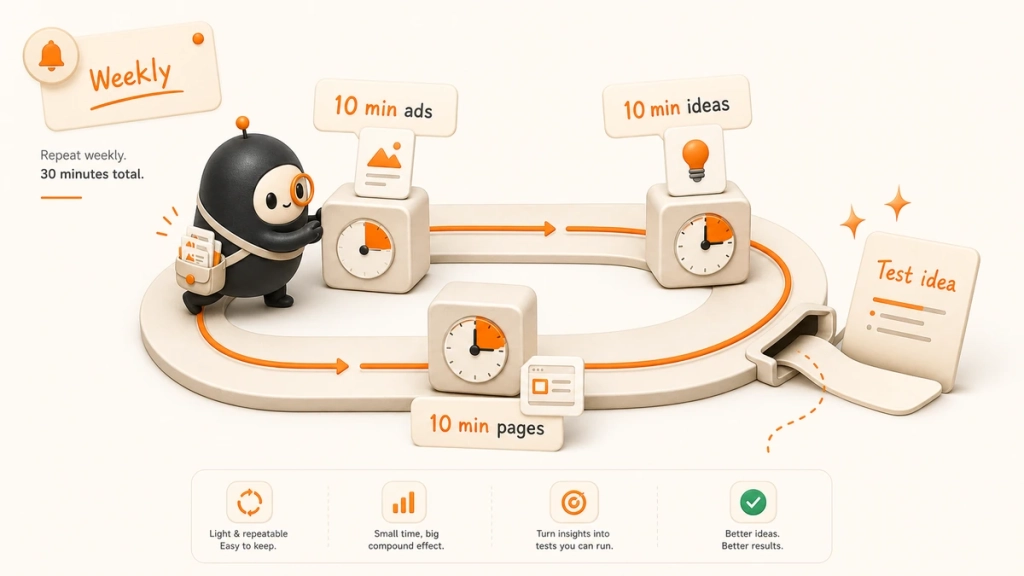
Next 10 Minutes: Review Landing Pages
Open the destination URLs from the most interesting ads.
Capture:
- Headline
- Offer
- CTA
- Proof
- Pricing
- Form flow
- FAQ
Take screenshots if the page looks important.
Final 10 Minutes: Create Test Ideas
Pick one to three patterns and turn them into hypotheses.
For example:
- “Three competitors use free audits. We should test a free audit CTA against our demo CTA.”
- “Long running Meta ads use customer proof. We should test testimonial led creative against product led creative.”
- “Competitors send paid search traffic to comparison pages. We should build a dedicated alternative page for our highest intent keyword.”
That is enough for one week. You are building a habit, not a museum.
How to Turn Competitor Ads into Test Hypotheses?
The point of competitor ad analysis is not to copy. It is to create better tests.
Use this simple format:
If we test [change], then [metric] may improve because [reason].
Example 1: Testimonial Ads
Observation: A competitor keeps running testimonial ads.
Hypothesis: If we test customer proof in cold audience ads, CTR and conversion rate may improve because buyers can see evidence before they click.
Test: Run one feature led ad against one testimonial led ad.
Success metric: CTR, conversion rate, cost per lead, or cost per purchase.
Example 2: Low Friction Offer
Observation: A competitor promotes a free audit instead of a demo.
Hypothesis: If we offer a free audit before asking for a demo, lead conversion rate may improve because the first step feels less demanding.
Test: Compare “Book a demo” against “Get a free audit.”
Success metric: Lead conversion rate and sales qualified lead rate.
Example 3: UGC Style Creative
Observation: Several competitors use UGC style video hooks.
Hypothesis: If we test native looking creative, thumb stop rate and CTR may improve because the ad feels less polished and more like platform content.
Test: Compare a polished brand video against a UGC style video.
Success metric: Thumb stop rate, CTR, CPC, and CPA.
Turn Competitor Research into an Ad Brief
After each research session, write a short ad brief.
| Section | Prompt |
| Competitor pattern observed | What repeated pattern did you notice? |
| Competitors using it | Which brands are using this angle? |
| Audience pain point | What pain point does the ad speak to? |
| Hook idea | What opening line or angle could you test? |
| Offer idea | What offer could you test? |
| Creative format | Static image, UGC video, demo video, carousel, search ad, etc. |
| Landing page angle | What should the page emphasize? |
| Test hypothesis | If we test X, then Y may improve because Z |
| Success metric | CTR, CVR, CPA, ROAS, demo rate, trial signup rate, or purchase rate |
This turns research into work your creative team can actually use.
How to Use Competitor Insights Without Copying?
Copying competitors is lazy and risky. It also makes your brand look interchangeable.
Use competitor insights this way instead:
- Identify patterns, not exact wording.
- Adapt the strategy, not the creative.
- Build counter messaging where competitors are weak.
- Highlight benefits they ignore.
- Improve the offer.
- Create a better landing page.
- Test a different format.
- Compare every idea with your own customer data.
If every competitor says “save time,” maybe you should test “reduce errors” or “make reporting less painful.” The goal is not to sound like the market. The goal is to understand the market well enough to say something sharper.
Common Mistakes to Avoid
- Copying Ads Directly: This is the obvious one. Do not copy creative, copy, design, or landing pages. Learn from patterns and make your own version.
- Assuming Every Ad Is Profitable: Active does not mean profitable. Treat competitor ads as clues.
- Ignoring Landing Pages: The landing page often explains why the ad exists. Always follow the click when you can.
- Tracking Too Many Competitors: A messy swipe file is worse than no swipe file. Start with 5 to 10 competitors.
- Looking Once and Stopping: Competitor ad tracking gets useful over time. Weekly notes beat one huge research session every six months.
- Focusing Only on Creative: Creative matters, but the offer, funnel, and audience intent matter just as much.
- Ignoring Email, SMS, and Retargeting: Many brands make their strongest arguments after the first click. Look beyond the ad.
Final Thoughts
Learning how to spy on competitors ads is really learning how to pay attention.
The ads are out there. Meta shows many of them. Google shows many of them. TikTok shows enough to spot creative patterns. Landing pages, email funnels, and retargeting ads fill in the rest of the story.
The useful work is not collecting screenshots. It is noticing what repeats, asking why it repeats, and turning that observation into a test your own brand can run.
Start with five competitors. Check the free ad libraries once a week. Save the ads that look important. Follow the click. Write one test hypothesis.
Do that for a month and you will know more about your market than most teams who only look at their own dashboard.